

Starting a new project can feel overwhelming when you have too much information to share. That is why using Your Topics | Multiple Stories is such a smart content strategy. It helps you break down a main subject into smaller, connected narratives. By focusing on diverse perspectives and expert insights, you create a complete view that makes complex information much easier for your audience to understand.
Ever feel like your readers are losing interest halfway through your article? You need a hook that grabs their attention immediately. By shifting from a single story to multiple angles, you build deeper engagement. This storytelling approach turns boring data into human experiences, making your digital publishing feel more relatable, authentic, and trustworthy for every user.
This logical structure doesn’t just help people; it boosts your search visibility too. When you cover subtopics with clarity, search engines recognize your authority. It’s the best way to improve knowledge retention and ensure your valuable content actually reaches the target audience effectively.
What Does “Your Topics | Multiple Stories” Mean?
This storytelling philosophy explains a main subject through several connected narratives. Instead of a single overview, you use research insights and real experiences. This content strategy helps readers explore a theme from many angles, making the information much more comprehensive and easy to digest for everyone.
The approach focuses on depth and variety by layering different types of content. Each story acts as a subtopic that supports the core topic. By breaking down a complex subject, you ensure that knowledge is shared through a structured narrative rather than a flat, one-dimensional explanation.
This method creates a logical organization that guides the user journey. By staying theme-connected, each piece of information feels like part of a complete view. It is a digital publishing method that values quality and meaningful context over simple, surface-level summaries.
Popular Categories Covered in Your Topics | Multiple Stories
Many creators use this in content marketing, education, and data storytelling. You might see case studies, expert explanations, or historical background. These diverse formats ensure that the target audience finds valuable content that matches their specific interests and improves their overall knowledge retention quickly.
In literary story structure, writers use parallel timelines and multiple characters to build realistic worlds. This layered storytelling allows the audience to see events from diverse viewpoints. It makes educational tools more effective because students learn through practical examples rather than just theory.
Brands also apply this to product development journeys and behind-the-scenes posts. Each narrative helps build a brand story that feels authentic. By using different story angles, companies can reach wider audiences who prefer data, human interest, or how-to guides.
Why Multiple Stories Around One Topic Matter
Using multiple perspectives builds trust and credibility with your audience. It improves search visibility because search engines love deep coverage of subtopics. This layered approach creates stronger engagement, turning a basic explanation into a complete learning journey that feels authentic and very authoritative.
Exploring multiple dimensions shows thorough knowledge of a niche. When you provide detailed understanding, readers stay on your page longer. This engagement strategy reduces confusion and helps people find the exact information they need, which leads to stronger loyalty and better brand authority.
It also supports personal growth by encouraging critical thinking. Instead of a single story, providing many viewpoints helps reduce stereotypes. This content approach makes complex information accessible, ensuring that every reader walks away with a broader understanding of the main subject.
How Different Perspectives Create Better Understanding
When you include different viewpoints, you help readers question assumptions and build empathy. Using diverse cultures or professions makes the narrative feel more realistic. This logical structure reduces confusion, allowing for critical thinking and a broader understanding of any complex subject you share.
By comparing human experiences with expert analysis, you create a balanced view. This variety appeals to different types of learners. Some people connect with real-life stories, while others prefer data-driven insights. Providing both ensures your message is inclusive and highly effective.
This strategy transforms isolated facts into a connected system. When information is presented through different contexts, it becomes easier to remember. A complete view ensures that no important detail is missed, making the learning experience feel both rich and comprehensive.
Core Concepts of Your Topics | Multiple Stories
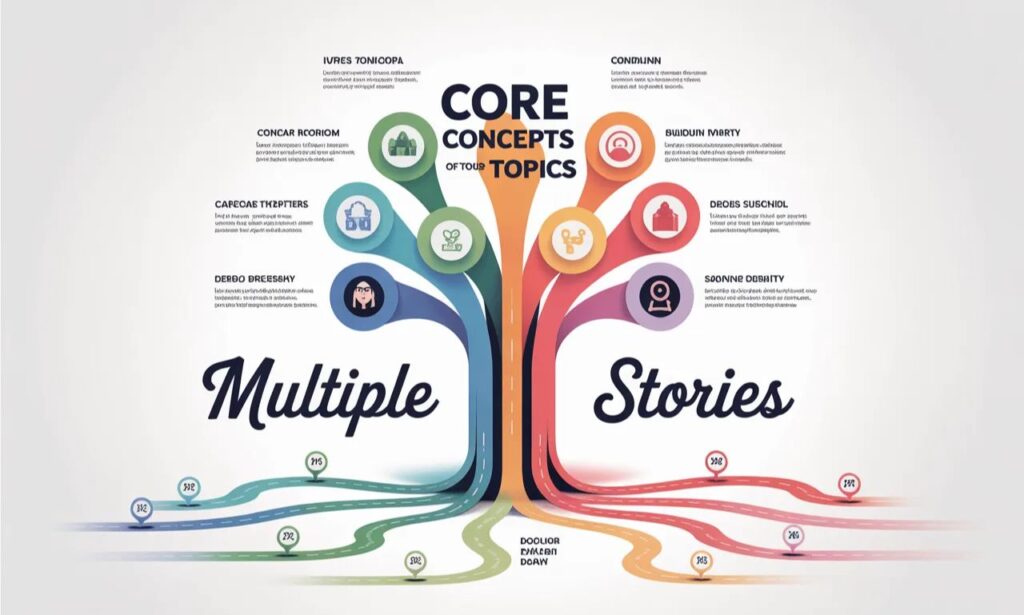
Using a content strategy based on Your Topics | Multiple Stories helps you explore a main subject through connected narratives. Instead of one basic explanation, you share research insights, human experiences, and expert analysis to build authority. This layered approach ensures your audience receives a complete view that is easy to digest. By focusing on depth and variety, you transform complex information into a structured narrative that improves knowledge retention and makes your digital publishing feel much more authentic and trustworthy.
Depth and Variety
This concept focuses on providing detailed understanding by layering different types of content. Instead of a single story, you include data storytelling, historical background, and practical examples. This variety ensures that the information feels comprehensive and provides value to all readers.
- Using research insights combined with human experiences allows you to explain a main subject from many different and unique angles.
- A layered approach ensures that complex information becomes much easier to digest for any audience looking for a deeper understanding.
- Adding historical background or expert explanations helps build trust and credibility within your specific niche or professional content marketing field.
- This storytelling philosophy focuses on quality by offering diverse formats that satisfy the learning journey for every type of online reader.
Diverse Perspectives
Including different viewpoints makes your narrative feel more realistic and inclusive. You can share stories from different cultures, age groups, or professions. This helps to reduce stereotypes and allows your audience to see the main subject through a very clear lens.
- Sharing different stories from diverse cultures helps your target audience question their own assumptions and build much stronger emotional empathy.
- Using multiple perspectives ensures that your digital publishing feels authentic and relatable to a very wide audience of different backgrounds.
- Including expert insights alongside real experiences creates a balanced view that makes your valuable content feel more authoritative and complete.
- This logical structure encourages critical thinking by showing how one theme affects different people in many practical and meaningful ways.
Engagement Strategy
A strong strategy uses multiple narratives to connect with different types of learners. Some people prefer real-life experiences, while others want expert explanations. By offering diverse formats, you create stronger engagement and ensure your message reaches a much wider audience effectively every time.
- This engagement strategy improves knowledge retention because it matches how the human brain naturally explores and connects new structured information.
- Offering practical guides and data-driven insights ensures that every user finds the specific information they need for their personal growth.
- A consistent theme across multiple stories keeps readers on your page longer, which significantly boosts your overall search engine visibility.
- Breaking down a complex subject into shorter narratives reduces confusion and makes the learning experience feel much more rewarding and accessible.
Applications and Strategies
Applying the Your Topics | Multiple Stories method across different industries helps turn a main subject into a complete knowledge experience. This storytelling philosophy works by using connected narratives to solve problems or answer questions from multiple angles. Whether you are building a brand or teaching a class, this logical structure ensures your audience stays focused and builds a deeper understanding. By using diverse formats, you can transform complex information into a structured narrative that feels authentic and trustworthy. This layered approach is the best content strategy for modern digital publishing because it respects how readers naturally explore and process new information in their daily lives.
Content Marketing
Brands use this engagement strategy to explain their products and values through customer experiences. Instead of one advertisement, you share behind-the-scenes content and product development journeys. This creates stronger engagement and builds long-term authority with your target audience.
- Sharing real experiences from customers builds trust and credibility far more effectively than using a single sales pitch.
- Each social media post acts as a connected subtopic that helps search engines understand your overall brand story and niche.
- Using expert explanations alongside human interest stories makes your marketing feel more relatable and valuable to every potential user.
- A consistent theme across multiple stories ensures that your message remains clear while reaching a much wider audience of readers.
Literary Story Structure
Writers use multiple story techniques like parallel timelines and different points of view to build depth. This storytelling method allows the audience to see events through diverse perspectives, making the fictional world feel more realistic and comprehensive.
- Using multiple characters to tell one main subject allows for layered storytelling that keeps readers curious and very deeply engaged.
- A logical organization of different perspectives helps to reduce stereotypes and encourages critical thinking within a complex narrative or book.
- Dual narratives provide a balanced view of the theme, ensuring that the story feels more authentic and meaningful to the reader.
- Breaking a long narrative into shorter connected stories improves knowledge retention and makes the plot much easier to digest and follow.
Educational Tools
Education benefits from multiple story learning by using case studies and practical examples instead of just theory. This layered approach helps students see knowledge as a connected system, making it much easier to remember in different contexts.
- Using real world situations to explain a core topic helps learners build empathy and a much broader understanding of complex subjects.
- Providing diverse viewpoints within lesson plans encourages students to question assumptions and develop expert insights through active learning and research.
- A structured narrative that includes historical background and practical analysis ensures that educational tools are comprehensive and highly accessible for everyone.
- This learning journey improves critical thinking by showing how one subject relates to many different professions and human experiences today.
Data Storytelling
Analysts use multiple story structures to break down complex datasets into smaller insights and key findings. This data storytelling method reduces confusion by highlighting trends and patterns that help readers understand the main subject clearly.
- Presenting smaller insights instead of one large dataset makes information much more comprehensive and easy to digest for a general audience.
- Using comparisons and visual narratives helps build authority by showing a detailed understanding of the research insights and subtopics provided.
- This logical structure allows search engines to find valuable content within your data, which significantly boosts your overall search visibility online.
- Breaking data into multiple narratives ensures that the target audience can follow the logical organization of your expert analysis and conclusions.
Benefits of Your Topics | Multiple Stories
Adopting the Your Topics | Multiple Stories approach offers many advantages for anyone sharing information online today. By exploring a main subject through connected narratives, you provide a complete view that feels much more trustworthy. This content strategy helps you stand out because it offers depth and variety that a single story simply cannot match. Whether you want to grow a brand or teach a theme, this layered approach ensures your audience receives valuable content that is easy to digest. It transforms a basic explanation into a structured narrative that builds long-term credibility and meaningful context for every reader who finds your work.
Builds Authority
Exploring multiple dimensions of a subject proves that you have thorough knowledge of your niche. When you provide expert explanations and research insights, readers recognize you as a reliable source. This builds trust and ensures your digital publishing feels very professional and authoritative.
- Showing a detailed understanding of a main subject through different angles helps you become a leader in your specific field.
- Using expert insights across multiple stories proves that you have covered the topic thoroughly and with very high quality.
- Building credibility with your target audience happens naturally when you provide comprehensive and accurate information that they can actually trust.
- A layered storytelling method allows you to share complex information in a way that highlights your authority and deep expertise.
Improves Search Visibility
Search engines prefer content that covers subtopics in a comprehensive way. By using multiple stories to explain a theme, you help crawlers understand your logical structure. This leads to better rankings and ensures your valuable content reaches a much wider audience.
- Covering different subtopics within one core topic allows search engines to see your page as a very helpful resource.
- Using connected narratives helps you rank for many different keywords, which significantly increases your overall organic traffic and online reach.
- A logical organization of your information makes it much easier for users to find exactly what they are searching for.
- Providing depth and variety ensures that your digital publishing remains relevant and highly visible in a very competitive market.
Creates Stronger Engagement
Different readers connect with different types of content. Some prefer data storytelling, while others love human experiences. By offering multiple narratives, you increase the chance that every user stays on your page longer to follow the complete learning journey.
- Offering diverse formats like case studies and practical guides ensures that your audience stays interested in your main subject.
- Stronger engagement happens when readers find content that feels relatable, authentic, and specifically designed for their own personal interests.
- Using a consistent theme across multiple stories encourages users to click on internal links and explore your site more.
- This engagement strategy reduces bounce rates because it provides a rewarding experience that satisfies the curiosity of every single reader.
Supports Personal Growth
This storytelling philosophy encourages readers to think more deeply by considering diverse perspectives. It helps people reduce stereotypes and expand their empathy. By seeing a topic through different stories, the audience develops critical thinking skills and a much broader understanding.
- Learning through multiple perspectives helps every reader question their own assumptions and build a much more balanced view today.
- This content approach supports personal growth by making complex information very accessible and much easier to remember for everyone.
- Providing real experiences from diverse cultures helps to expand knowledge and build empathy within our modern global digital community.
- A structured narrative improves knowledge retention, allowing the target audience to apply what they learn to their own real lives.
How to Apply Your Topics | Multiple Stories Strategy
Learning how to implement the Your Topics | Multiple Stories framework can transform your digital publishing into a powerful knowledge experience. The process starts by moving away from a single story and focusing on a layered approach. By following a logical structure, you can ensure that every narrative you create adds unique value to the main subject. This content strategy helps you organize complex information so that it feels authentic and easy to digest for your target audience. When you apply these strategies correctly, you build a complete view that improves search visibility and creates stronger engagement across all your connected subtopics and platforms today.
Choose One Core Topic
Start by selecting a main subject that solves a real problem or answers common questions. This core topic acts as the anchor for all your connected narratives. A well-defined theme ensures that your audience remains focused and understands the primary goal of your valuable content immediately.
- Selecting a focused topic creates a strong foundation for your content strategy and prevents your writing from becoming too confused.
- A clear subject allows you to branch out into many different subtopics while maintaining a very consistent brand voice.
- Choosing topics that allow for multiple perspectives ensures you have enough depth and variety to keep your readers interested.
- A strong anchor helps search engines categorize your niche, which significantly boosts your authority and your overall search visibility.
Create Different Story Angles
Once you have an anchor, develop different story angles like case studies, expert insights, or human experiences. Each narrative should provide a new perspective on the main subject. This variety ensures that your information is comprehensive and appeals to a wider audience.
- Using diverse formats like beginner guides and expert explanations helps you reach different types of learners and curious readers.
- Each story angle should offer detailed understanding, ensuring that the content provides high quality and meaningful context for the user.
- Including research insights alongside real-life stories creates a balanced view that makes your storytelling philosophy feel more realistic.
- By exploring multiple dimensions, you show thorough knowledge, which builds trust and credibility within your specific online community.
Keep Stories Connected
All of your shorter narratives must stay theme-connected to the core topic. This connection helps readers understand the relationships between ideas. It prevents the audience from feeling lost and ensures that every piece of information contributes to the complete view.
- Linking different stories back to the main subject creates a structured narrative that is much easier to digest.
- Consistent themes help your target audience navigate your content, improving their overall user experience and their knowledge retention.
- Staying connected ensures that your brand story remains authentic and that your digital publishing feels like a complete system.
- Using internal links between subtopics helps search engines crawl your site and recognize your authority on the core subject.
Build Logical Structure
Organize your stories in a natural order so that readers can learn step by step. A logical structure reduces confusion and makes the learning journey more enjoyable. This organization is essential for maintaining stronger engagement and helping the audience reach a broader understanding.
- A clear organization helps users navigate your information easily, which keeps them on your page for a longer time.
- Following a logical flow ensures that complex information is presented in a way that is accessible to beginners and experts.
- Structured narratives improve critical thinking by allowing readers to see how different points of view fit together meaningfully.
- Building a step by step guide within your multiple stories creates a rewarding experience that supports personal growth and learning.
Why Your Topics | Multiple Stories Strategy Matters Today
Modern readers want structured information that is easy to digest. They look for clear explanations and real examples that provide a complete learning journey. This content strategy matches how people naturally explore connected ideas, ensuring your valuable content remains relevant, authentic, and highly engaging in a busy digital world.
In today’s online environment, users prefer meaningful context over surface-level summaries. By providing detailed understanding, you meet the high expectations of a wider audience. This layered approach makes your information more accessible and helps creators stand out by offering real value and thorough knowledge.
Furthermore, this storytelling philosophy supports personal growth and critical thinking. It moves away from isolated facts toward a connected system of knowledge. By using diverse formats, you ensure your message is trustworthy and provides a balanced view that helps readers navigate complex subjects with ease.
Single Story vs Multiple Stories
A single story offers only one viewpoint, providing a basic explanation. In contrast, using multiple narratives creates a detailed understanding through diverse perspectives. This layered approach improves knowledge retention and search visibility, making the learning experience much more comprehensive and authoritative for every target audience.
While a single story is often too short and limited, multiple stories allow for deep coverage. You can include research insights, human experiences, and expert analysis. This variety ensures that different types of learners find valuable content that specifically matches their own unique personal interests and needs.
Ultimately, the difference lies in credibility and engagement. A single narrative might leave out important details, but connected subtopics build trust. This strategy transforms a simple overview into a complete view, helping search engines recognize your niche and improving your overall search engine rankings.
Key Characteristics of Your Topics | Multiple Stories
This storytelling philosophy includes a clearly defined main subject and several connected subtopics. It relies on logical organization and a consistent theme across all stories. These key features help users navigate complex information with clarity, building trust and credibility through thorough knowledge and diverse examples.
| Feature | Single Story Approach | Multiple Stories Strategy |
| Perspective | One viewpoint | Diverse perspectives |
| Depth | Surface level | Detailed understanding |
| Structure | Linear overview | Connected narratives |
| Engagement | Short-term interest | Stronger engagement |
| Authority | Basic knowledge | Thorough knowledge |
| Visibility | Limited search reach | Higher search visibility |
Another essential characteristic is the use of diverse viewpoints. By including different cultures, professions, or age groups, the narrative feels more realistic. This inclusive approach helps reduce stereotypes and allows the audience to see the theme from many different angles at the same time.
Finally, a consistent brand voice and logical structure are vital. Every story angle must stay theme-connected to the anchor topic. This organization ensures that the learning journey is step by step, making it much easier to digest and incredibly rewarding for the target audience.
Frequently Asked Questions
What does Your Topics | Multiple Stories mean?
It means exploring one main subject through several connected narratives. This content strategy uses diverse perspectives to create a complete view for readers.
Why is this storytelling philosophy important?
This layered approach helps users understand complex information easily. It improves knowledge retention and builds trust by offering thorough knowledge and meaningful context.
Where can I use this content strategy?
You can apply it in content marketing, education, and digital publishing. It works well for blogs, social media, and data storytelling projects today.
How does it improve search visibility?
Search engines prefer deep coverage of subtopics and logical organization. Providing multiple stories helps crawlers recognize your authority within a specific niche or theme.
What are the key characteristics of this method?
It includes one anchor topic, diverse viewpoints, and a consistent theme. A logical structure ensures all shorter narratives stay theme-connected and easy to digest.
How do different perspectives help the reader?
Including diverse cultures or professions makes the narrative feel realistic. It encourages critical thinking and helps the audience develop a much broader understanding easily.
Can this strategy help with brand authority?
Yes, sharing expert insights and real experiences builds credibility. It proves you have thorough knowledge, making your brand story feel authentic and very trustworthy.
How do I choose a core topic?
Select a main subject that solves real problems for your audience. Ensure it allows for different story angles like case studies and expert explanations.
What is the difference between single and multiple stories?
A single story offers a basic explanation from one viewpoint. Multiple stories provide detailed understanding and stronger engagement through layered and connected narratives.
Does this approach support personal growth?
It encourages readers to explore different points of view and empathy. This structured narrative helps reduce stereotypes and improves learning through practical examples daily.
Conclusion
The Your Topics | Multiple Stories strategy is a powerful storytelling philosophy that transforms a main subject into a complete knowledge experience. By using connected narratives and diverse perspectives, you provide meaningful context that a single story cannot match. This layered approach ensures your valuable content is easy to digest while building long-term authority and trust with your target audience across any digital publishing platform.Applying this logical structure to your content strategy will significantly improve search visibility and stronger engagement. When you cover -connected subtopics with clarity, you help readers achieve a broader understanding and better knowledge retention. Ultimately, this method creates a realistic and authoritative narrative that effectively supports personal growth and delivers high-quality information in a very structured way.

Denzel is a passionate Christian writer with 4 years of experience in Bible and prayer blogging. He is currently sharing his inspiring spiritual writings on BibleNests.com, helping readers grow in faith and hope.
