

How to Spell Tristan Correctly is simple, as the most common and widely accepted spelling is Tristan. This spelling is used in English, French, and many other languages and is best known from history and literature, especially the legend of Tristan and Isolde. It is the standard form you’ll see in official records, books, and modern usage.
While Tristan is the correct and traditional spelling, some variations do exist, such as Tristen, Triston, or Tristyn. These alternative spellings are modern adaptations and are less common. If you’re looking for the classic, widely recognized form, Tristan is the correct choice.
Spiritual Meaning & History
The name Tristan carries deep spiritual significance rooted in themes of sorrow transformed into purpose, deriving from the Celtic word “drust” meaning “tumult” or “outcry,” and the Latin “tristis” meaning “sad” or “sorrowful,” yet the name’s historical bearer overcame tragedy through courage and noble character.
In Christian perspective, Tristan reflects the biblical pattern where God transforms mourning into dancing (Psalm 30:11), sorrow into joy, and brokenness into strength—demonstrating that our difficulties don’t define our destiny but can become the very platform for God’s redemptive work in our lives.
The name’s medieval association with the legendary knight Tristan, who faced heartbreak yet remained faithful to honor and duty, mirrors the Christian calling to persevere through suffering while maintaining integrity, trusting that God works all things together for good for those who love Him.
How to Spell Tristan
The standard and most common spelling of this name is “Tristan” with six letters: T-R-I-S-T-A-N, pronounced “TRISS-tan” with emphasis on the first syllable. This spelling is universally recognized across English-speaking countries and maintains consistency with the name’s Celtic and medieval origins.
When writing the name, it begins with a capital T followed by lowercase letters, and there are no silent letters, hyphens, or accent marks in the traditional English spelling, making it straightforward to pronounce and spell correctly once you know the standard format.
Correct Spelling of Tristan and Common Misspellings
The correct spelling is “Tristan” (T-R-I-S-T-A-N), but common misspellings include “Tristen,” “Tristin,” “Trystan,” “Treston,” and “Tristian”—errors that typically occur because people confuse the vowel sounds or attempt to phonetically spell what they hear. The confusion often arises because the name sounds like it could end in “-en” or “-in” rather than “-an,” and some parents intentionally choose variant spellings to create uniqueness, though “Tristan” remains the traditional and most widely accepted form.
Understanding the correct spelling is important for official documents, personalized items, and ensuring the name’s historical and literary heritage is properly honored, as misspellings can lead to confusion in records, legal documents, and professional contexts throughout a person’s life.
Tristan Name Variations and Similar Spellings Explained
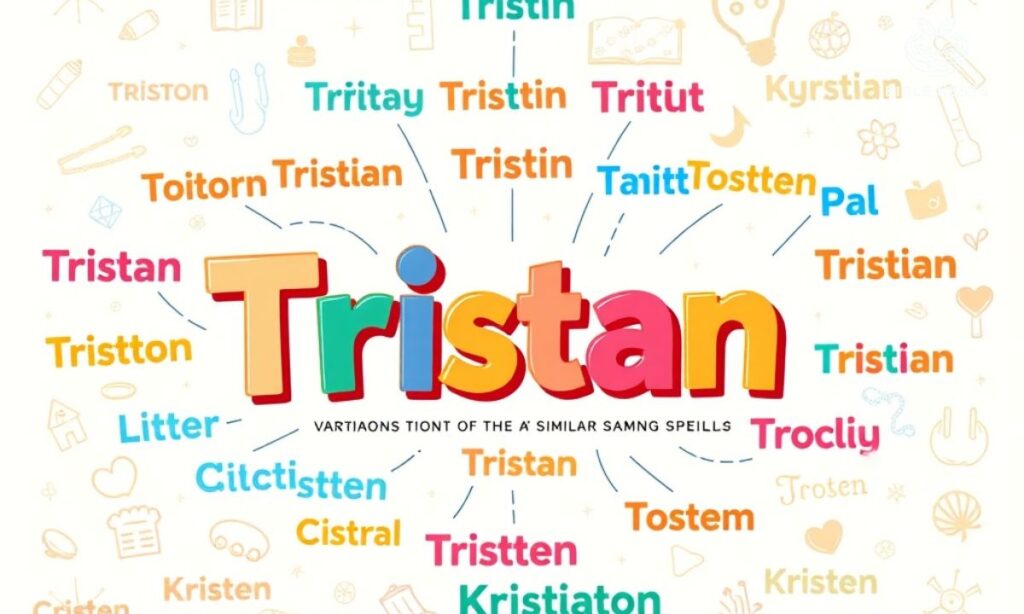
| Variation/Spelling | Origin/Meaning | Cultural Context | Pronunciation Difference | Popularity Ranking |
| Tristan | Original Celtic/Latin form meaning “tumult” or “sorrowful” | Most traditional English-speaking countries; maintains historical literary connection | TRISS-tan (emphasis first syllable) | Most popular – consistently in top 200 names |
| Trystan | Welsh variation emphasizing Celtic origins | Popular in Wales and among families wanting to honor Welsh heritage | TRY-stan (slightly different first syllable sound) | Less common – used primarily in UK |
| Tristen | Phonetic American variation | Common in United States as alternative spelling | TRISS-ten (same pronunciation, different vowel) | Moderately popular – top 500 names |
| Tristian | Extended form adding extra vowel | Modern creative spelling popular in 2000s-2010s | TRISS-tee-an (adds syllable sound) | Less common – occasional use |
| Tristão | Portuguese/Brazilian variation | Used in Portuguese-speaking countries | trish-TOW (different emphasis and ending) | Popular in Brazil and Portugal |
Famous People Named Tristan
Many notable individuals bear the name Tristan across various fields including sports, entertainment, and public service, demonstrating the name’s widespread appeal and timeless quality. NBA star Tristan Thompson has brought prominence to the name through his successful basketball career with championship wins and international recognition, while Tristan Wilds gained fame as an actor in acclaimed series like “The Wire” and “90210,” showcasing the name’s presence in entertainment.
From a Christian perspective, those named Tristan carry a heritage that reminds them to transform any “sorrow” in their name’s meaning into purpose-driven lives that glorify God, using their platforms and talents to serve others and demonstrate Christ’s redemptive power that turns mourning into joy.
Common Nicknames for Tristan
- Tris – The most common shortened form, casual and friendly, used by family and close friends throughout childhood and adulthood
- Trist – A slightly less common abbreviation that maintains the name’s strong sound while offering brevity in informal settings
- Stan – An unexpected but occasionally used nickname that pulls from the second half of the name, offering a completely different feel
How Popular Is The Name Tristan?
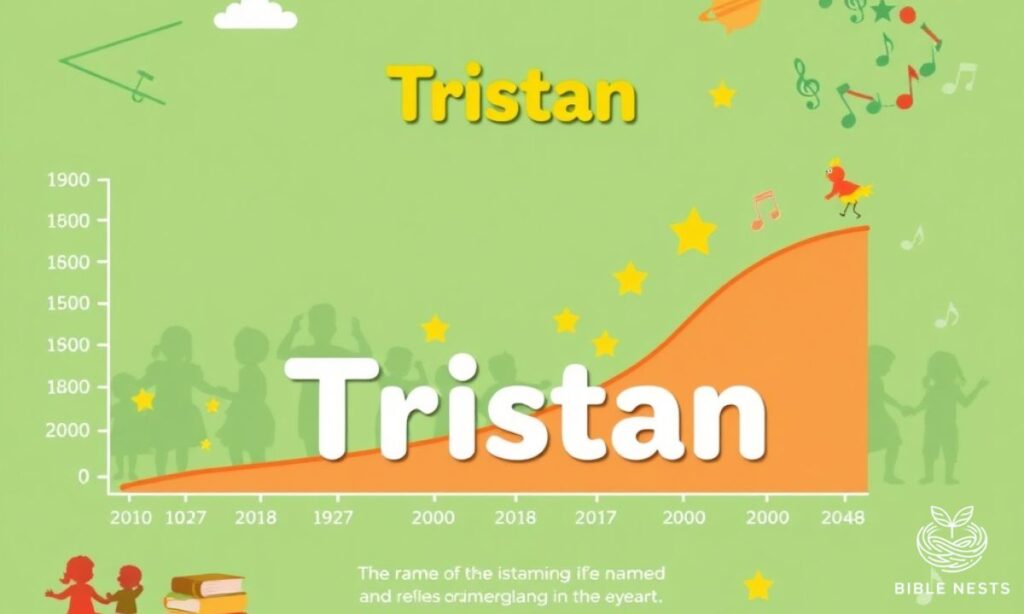
The name Tristan has maintained steady popularity in English-speaking countries, ranking consistently within the top 100-200 boys’ names in the United States since the 1990s, with peak popularity occurring in the early2000s when it reached as high as #68 on the Social Security Administration’s rankings.
The name’s enduring appeal crosses cultural and generational boundaries due to its literary heritage from the medieval romance “Tristan and Isolde,” its strong yet romantic sound, and its association with noble character traits like courage, loyalty, and honor.
From a Christian perspective, Tristan’s continued popularity reflects parents’ desire to give their sons names with depth and meaning—names that acknowledge life’s difficulties (the “sorrowful” etymology) while pointing toward the hope and transformation available through faith in Christ who promises to turn our mourning into dancing and work all things together for good.
Example Sentences of Tristan from a Christian Perspective
Tristan felt called to youth ministry after his own turbulent teenage years, recognizing that God had transformed his past sorrows into a powerful testimony that could encourage struggling young people to find hope in Christ. During worship service, Tristan raised his hands in praise, grateful that the meaning of his name—”sorrowful”—had become a constant reminder of how Jesus turns mourning into dancing and gives beauty for ashes.
When Tristan’s friend asked about his unusual name, he shared that it means “tumult” but explained that his parents chose it believing God would use any storms in his life to develop the character and faith needed to make an eternal difference in the kingdom.
Frequently Asked Questions
How do you spell Tristan correctly?
Tristan is spelled T-R-I-S-T-A-N.
What is the correct spelling of the name Tristan?
The standard and correct spelling is Tristan.
Are there different ways to spell Tristan?
Yes, variations include Tristen and Tristán, though Tristan is most common.
Is Tristan spelled with an “A” or “E”?
The most common spelling uses an “A” — Tristan.
How do you spell Tristan for a baby name?
Parents usually choose the classic spelling Tristan.
How do you spell Tristan in school or official records?
It is spelled Tristan unless a different variation is chosen.
What is the easiest way to remember how to spell Tristan?
Think “Tri” + “Stan” = Tristan.
Is Tristan a boy or girl name?
Tristan is traditionally a boy’s name, but can be unisex.
How do you spell Tristan phonetically?
It is pronounced TRIS-tan.
What is the modern spelling of Tristan?
Tristan remains the most popular and modern spelling today.
Conclusion
Good night blessings are a beautiful way to end the day with peace, gratitude, and hope. They help calm the mind, soothe the heart, and create a sense of comfort before rest. Sharing or receiving a blessing at night reminds us to let go of worries and trust that tomorrow holds new possibilities.
As the day comes to a close, these blessings encourage rest, renewal, and inner peace. They leave a gentle sense of reassurance that everything will be okay. Ending the night with positive thoughts and blessings sets the tone for a restful sleep and a brighter morning ahead.

Denzel is a passionate Christian writer with 4 years of experience in Bible and prayer blogging. He is currently sharing his inspiring spiritual writings on BibleNests.com, helping readers grow in faith and hope.
